

Practical training built for real environments
Led by field practitioners and tailored to your team. 43 modules across four programme families, online, blended or in person.
Who we train
Field and management staff of international NGOs, staff and security officers of inter-governmental organisations, diplomatic missions and government teams, companies operating in high-risk regions, and journalists, researchers and development contractors.
How we deliver
We assess your needs first, then build the mix, length and venue around your team.
Online, blended or in person
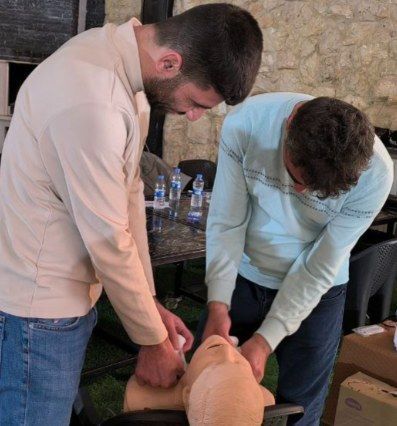
Most modules run in all three formats. Hands-on modules such as driver, guard and medical training run in person.
A SARI venue or your premises
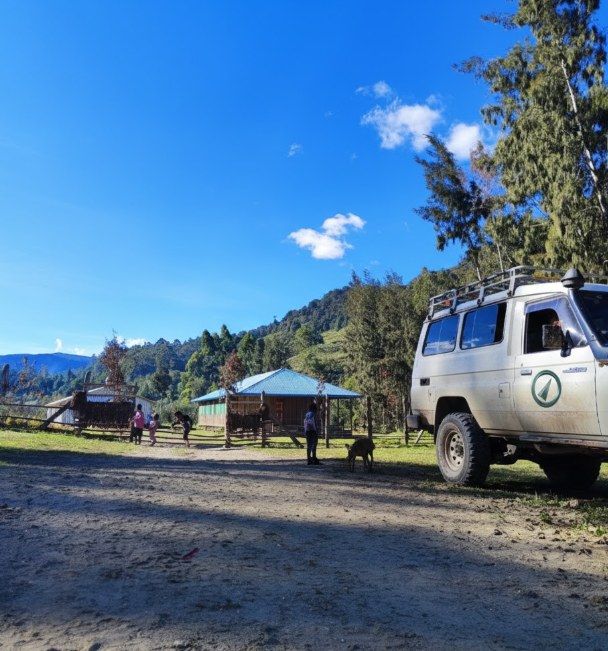
Train at a SARI venue in the region, or we bring the programme to your premises, anywhere you operate.
English, Arabic and French
Delivered in the language your team works in.
Individuals and teams
Individual places are available, and group programmes are designed for teams of five or more.
The programmes
HEIST
Hostile Environment and Individual Safety Training
- Typical length
- 2 to 5 days
- Audience
- All staff
- Format
- In person, with a blended option
Abduction and kidnap survival, active shooter response, checkpoints, first aid, fire safety, UXO and mine awareness, communications and digital security, stress and psychological resilience.
- HE01Active Shooter Response
- HE02Abduction and Kidnapping Survival
- HE03Detention, Arrest & Hostage Survival
- HE04Security Distributions Management
- HE05Fire Safety Essentials
- HE06Driving Safely in High-Risk Areas
- HE07Communications in the Field
- HE08Situational Awareness & Preparedness
- HE09Vehicle Checkpoint Procedures
- HE10Behavior Under Fire
- HE11Emergency First Aid at Work
Security Management
For security professionals
- Typical length
- 3 to 5 days
- Audience
- Managers and security leads
- Format
- In person, remote or blended
Risk assessments, contingency planning, incident management, staff accountability, budgeting, cyber awareness and the development of policies, plans and procedures.
- SM01Security and Programs Integration
- SM02Managing the Security Function
- SM03Context Analysis I
- SM04Context Analysis II
- SM05Risk Assessments
- SM06Developing Risk Treatment Strategies
- SM07Security Policies, Plans & Procedures
- SM08Managing Site Security
- SM09Managing Travel and Staff Movement
- SM10Delivering Security Orientation Briefings
- SM11Budgeting for Security Operations
- SM12Contingency Planning
- SM13Incident Information Management
- SM14Critical Incident Management
- SM15Information Risk Management
- SM16Cyber Security Awareness Training
- SM17Data Management and Protection
Crisis and Incident Management
Advanced response training
- Typical length
- 2 to 4 days
- Audience
- Senior management and crisis teams
- Format
- In person simulation, remote or blended
Live simulations for incident management teams, scenario planning, security incident information management, remote management, evacuation planning and post-incident recovery.
- CM01Advanced Contingency Planning
- CM02Scenario Planning for Crisis Response
- CM03Remote Critical Incident Management
- CM04SIIM: Security Incident Info Management
- CM05IMT Simulation Exercises for Crisis Teams
- CM06Post-Incident Recovery Steps
Operations and Occupational
Field safety for operational staff
- Typical length
- 1 to 3 days
- Audience
- Operational and support staff
- Format
- In person, remote or blended
Journey management, professional driver and guard training, fleet management, field medical training, site assessments and radio procedures.
- OT01Journey Management and Convoy Procedures
- OT02Professional Driver Training
- OT03Static Security Guard Training
- OT04Fleet Management Best Practices
- OT05Basic Medical Training for Field Staff
- OT06Fire Safety Protocols
- OT07UXO-IED Mine Awareness Training
- OT08Conducting Site Assessments
- OT09Security Communications & Accountability
What a programme looks like
A sample four day hostile environment programme, 09:00 to 16:00 each day.
Day 1Foundations, situational awareness, cyber and communications
Baseline threat understanding, situational awareness, cyber hygiene and communications protocols.
- Threat environment: local risks, behavioural adaptation and a risk framework
- Situational awareness: the OODA loop, threat indicators and pre-departure checks
- Advanced contingency planning: threat matrices, contact trees and evacuation decisions
- Cyber security awareness: phishing, device hygiene, encryption and secure Wi-Fi
- Communications in the field: radios, call signs and SITREP and MEDEVAC formats
- Psychological resilience: stress management and welfare
- First aid theory and refresher
Day 2Physical threats: UXO and IED awareness, behaviour under fire, active shooter response
Recognition of and response to explosive hazards, moving under fire and immediate actions in an active shooter incident.
- UXO and IED awareness: indicators, reporting, cordon and look but do not touch
- Practical UXO recognition: spot, mark and report hazards
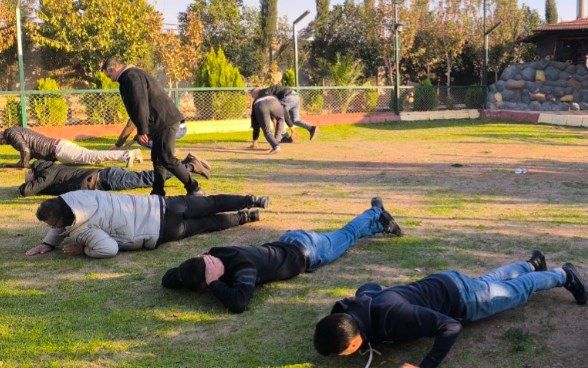
- Behaviour under fire and active shooter: run, hide, fight drills and casualty extraction
- First aid practical station
- Incident command: scene management, cordon and liaison
Day 3Abduction and kidnap survival, detention survival, driving safely
Prevention, survival in detention and defensive driving in high-risk areas.
- Movements and driving in high-risk environments: route planning, convoy drills, fatigue management and actions at checkpoints
- Kidnapping, hostage taking, detention and abduction: targeting signs, travel procedures and safe routes
- Survival mindset, rapport and negotiation signals, through role-play scenarios
- Reflection on days one to three and preparation for the simulation
Day 4Integrated simulation and emergency first aid
A full simulation that brings every module together, then an after-action review.
- Simulation brief: roles, safety, communications nets and triage tags
- First aid refresher: primary survey, bleeding control and MEDEVAC
- Simulation phase one: convoy, UXO, active shooter and evacuation
- Simulation phase two: abduction, detention and cyber injects
- Resolution: handover to local security and MEDEVAC
- Hot wash and after-action review
Safety: inert props only, medics on site and an opt-out policy for every exercise. Assessment: observed drills, scenario response checklists and simulation performance.
Build your own programme
Mix and match modules, choose how and where it is delivered, and send us the request.